Discover how to excel with heavy machinery in Groundwork Simulator. Learn physics tips, transport strategies, and master the wheel loader today.
Stepping into the world of industrial earthmoving requires precision, patience, and a deep understanding of heavy equipment. If you are diving into the newly released Early Access title available on Steam, utilizing the Groundwork Simulator wheel loader effectively is essential for transforming raw terrain into a profitable gold-yielding operation. Whether you are hauling dredged material across an expansive worksite or leveling uneven terrain, mastering the Groundwork Simulator wheel loader sets the baseline for your entire excavation success.
Understanding the Role of Heavy Machinery
Operating heavy equipment in modern simulation titles goes beyond simply pushing buttons. Developers have engineered intricate physics engines that require players to respect weight distribution, soil resistance, and hydraulic limits. When you step into the cab of your vehicle, every scoop permanently alters the topography of your worksite.
Community reports and early player experiences indicate that managing your vehicle's traction against thick mud and steep inclines is half the battle. To give you a clear overview of how different machinery classes compare within the game's current build, examine the operational matrix below.
| Machine Type | Primary Function | Terrain Suitability | Maintenance Priority |
|---|
| Excavator | Deep digging & trenching | Moderate to Low | High (Hydraulic wear) |
| Wheel Loader | Hauling & material movement | High on paved/packed ground | Medium (Tire traction) |
| Transport Truck | Long-distance hauling | Requires cleared roads | Low (Engine performance) |
| Wash Plant Setup | Gold recovery processing | Stationary | High (Water supply) |
Core Mechanics of Soil and Terrain Physics
The simulation relies heavily on a dynamic soil deformation system. Every time you dig into a hillside or scoop up dirt, the surrounding landscape shifts. This creates immediate tactical challenges for navigation.
If you leave loose piles of dirt blocking your primary transport routes, your heavy vehicles will struggle to maintain traction. Successful operators constantly monitor their environment, using their equipment not just for resource extraction, but for ongoing site maintenance and road clearing.
Hydraulic Feedback and Resistance
One of the standout features of the simulation is the simulated hydraulic feedback. When your bucket meets compacted earth, you will feel the physical resistance. Pushing too hard without managing your approach angle can stall your progress and burn valuable fuel or power.
- Angle of Attack: Always approach material piles squarely to maximize bucket capacity.
- Load Distribution: Do not overload your bucket beyond the rated lifting threshold to avoid tipping.
- Terrain Preparation: Smooth out ruts and muddy patches before attempting high-speed transport runs.
Transport and Logistics Across the Worksite
Moving massive vehicles from one zone to another requires careful planning. You cannot simply drive heavy equipment across miles of rough wilderness without risking damage or getting stuck in deep mud.
Instead, players must load their machinery onto specialized trailers and haul them using heavy-duty trucks. Navigating tight turns, steep slopes, and uneven terrain while towing a massive piece of equipment tests even experienced simulation veterans.
| Transport Step | Action Required | Potential Hazard |
|---|
| 1. Alignment | Line up the trailer on flat ground | Misalignment causes loading failures |
| 2. Securing | Drive machinery securely onto the bed | Rolling off the sides during transit |
| 3. Route Planning | Map out a path avoiding deep mud | Getting high-centered on rough terrain |
| 4. Unloading | Carefully back off the trailer | Tipping on steep descent angles |
Transitioning From Dirt to Gold Recovery
The ultimate objective of your heavy earthmoving operation is finding and processing gold-rich material. Once you have tested deposits and identified a promising digging location, your logistical chain kicks into high gear.
Excavators pull the paydirt from the earth, while your transport units and loaders shuttle the material directly to your wash plant. Water systems—managed carefully via pumps and hoses—must continuously supply the sluice boxes. Finally, the concentrated material is processed on a shaking table for final recovery.
Frequently Asked Questions
What is the primary purpose of heavy machinery in the game?
Heavy equipment allows you to reshape landscapes, dig trenches, haul mined materials, and ultimately excavate gold-rich earth to run a successful recovery operation.
How do I handle difficult terrain and mud?
Muder and steep slopes heavily impact traction. You should plan your routes carefully, avoid overloading your vehicles, and occasionally use your equipment to grade and improve the ground beneath your wheels.
Is online co-op supported for managing large worksites?
Yes, you can run your operation solo or share the site with friends in online co-op, dividing tasks like excavating, transport, and wash plant management between players.

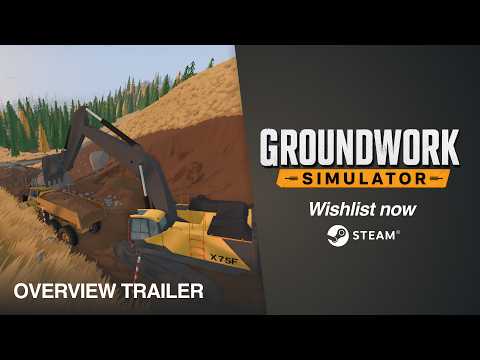 Official mediaDiscover how to excel with heavy machinery in Groundwork Simulator. Learn physics tips, transport strategies, and master the wheel loader today.YouTube